Real Estate in Dubai: A Tax-Free Strategy for Building a Global Investment Portfolio (For Turkish Investors)
Dubai has evolved from a regional property market into a global investment hub that generates tax-free income, strong rental yields, and USD-based capital growth.
Dubai has evolved from a regional property market into a global investment hub that generates tax-free income, strong rental yields, and USD-based capital growth.
For Turkish investors in particular, Dubai offers a strategic opportunity to diversify portfolios internationally, hedge currency risk, and gain exposure to a highly liquid, dollar-linked real estate market.
In Dubai, real estate investment is not simply about acquiring a property — it is about building a structured, income-generating global asset position.
Why Dubai? Strategic Advantages for Turkish Investors
Dubai stands out globally due to its investor-friendly financial and regulatory structure:
- Zero income tax: No taxation on rental income
- High rental yields: Typically ranging between 6% – 10% gross
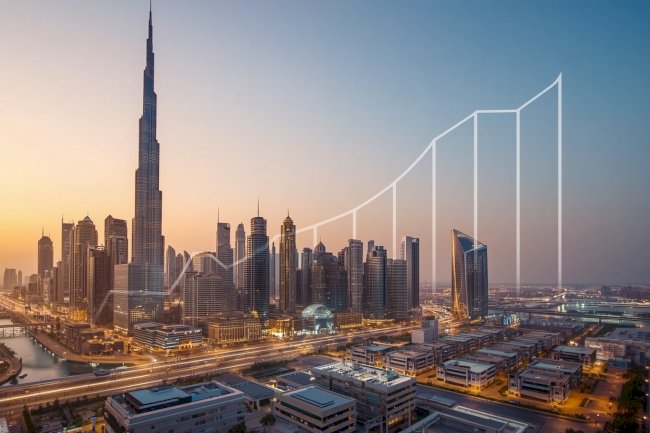
- Capital appreciation potential: Around 6% – 10% annually depending on location
- USD/AED stability: Currency-backed income predictability
- Strong international demand: Continuous inflow of expatriates
- High liquidity: Active secondary and off-plan markets
This combination makes Dubai particularly attractive for investors focused on cash flow and foreign currency income.
Strategic Location Selection in Dubai
In Dubai, investment performance is heavily dependent on micro-location selection. Each district serves a different investment strategy:
Dubai Marina
Strong short-term rental demand and high occupancy rates (Airbnb-focused strategy).
Downtown Dubai
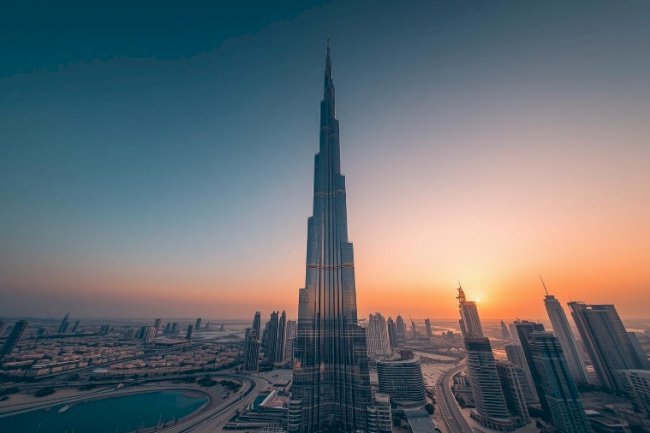
Premium lifestyle, strong branding effect, and long-term capital appreciation around Burj Khalifa.
Business Bay
Central location with a balanced mix of residential and commercial demand.
Jumeirah Village Circle (JVC)
Lower entry prices with strong rental yield potential.
Palm Jumeirah
Ultra-luxury segment with limited supply and global high-net-worth demand.
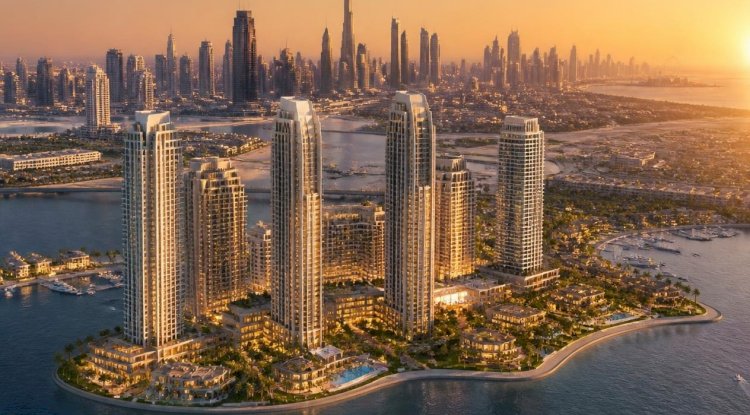
Dubai Creek Harbour
A newly developing master-planned district with long-term appreciation potential.
Market Structure and Return Dynamics
Dubai real estate pricing is generally segmented as follows:
- Studio / 1-bedroom units: USD 150,000 – 350,000
- Luxury apartments: USD 400,000+
- Villa segment: USD 1,000,000+
Rental yields:
- Average: 8% – 12%
- Short-term rentals: Potentially higher depending on location and management strategy
In Dubai, performance is directly linked to location precision and project quality.
Dubai vs. Turkey: Structural Differences
Dubai differs from Turkey in several key structural aspects:
- No taxation on rental income
- More diversified and global tenant base
- Standardized legal and contractual framework
- USD-based income stability
For this reason, Dubai should be considered not as an alternative market, but as a complementary global allocation within a real estate portfolio.
Investment Process: Transparent and Efficient
For foreign investors, the acquisition process is clear and structured:
- Property / project selection
- Reservation with 5%–10% deposit
- Sales Purchase Agreement (SPA)
- Flexible payment plan structure
- Title deed transfer
The system is designed to be fast, transparent, and internationally accessible.
Risk Considerations
As with any global real estate market, careful evaluation is essential:
- Developer credibility
- True rental performance of the location
- Payment plan structure
- Liquidity and exit strategy
- Market cycle positioning
Working with the right advisory structure significantly reduces exposure to avoidable risk.
Conclusion: Building a Global Portfolio Through Dubai
For Turkish investors, Dubai represents more than a real estate destination. It offers:
- A tax-free income model
- USD-denominated cash flow
- Strong rental yield environment
- Access to a global investor ecosystem
With the right strategy, Dubai real estate becomes not just an investment, but a long-term wealth allocation tool within a global portfolio structure.
What's Your Reaction?